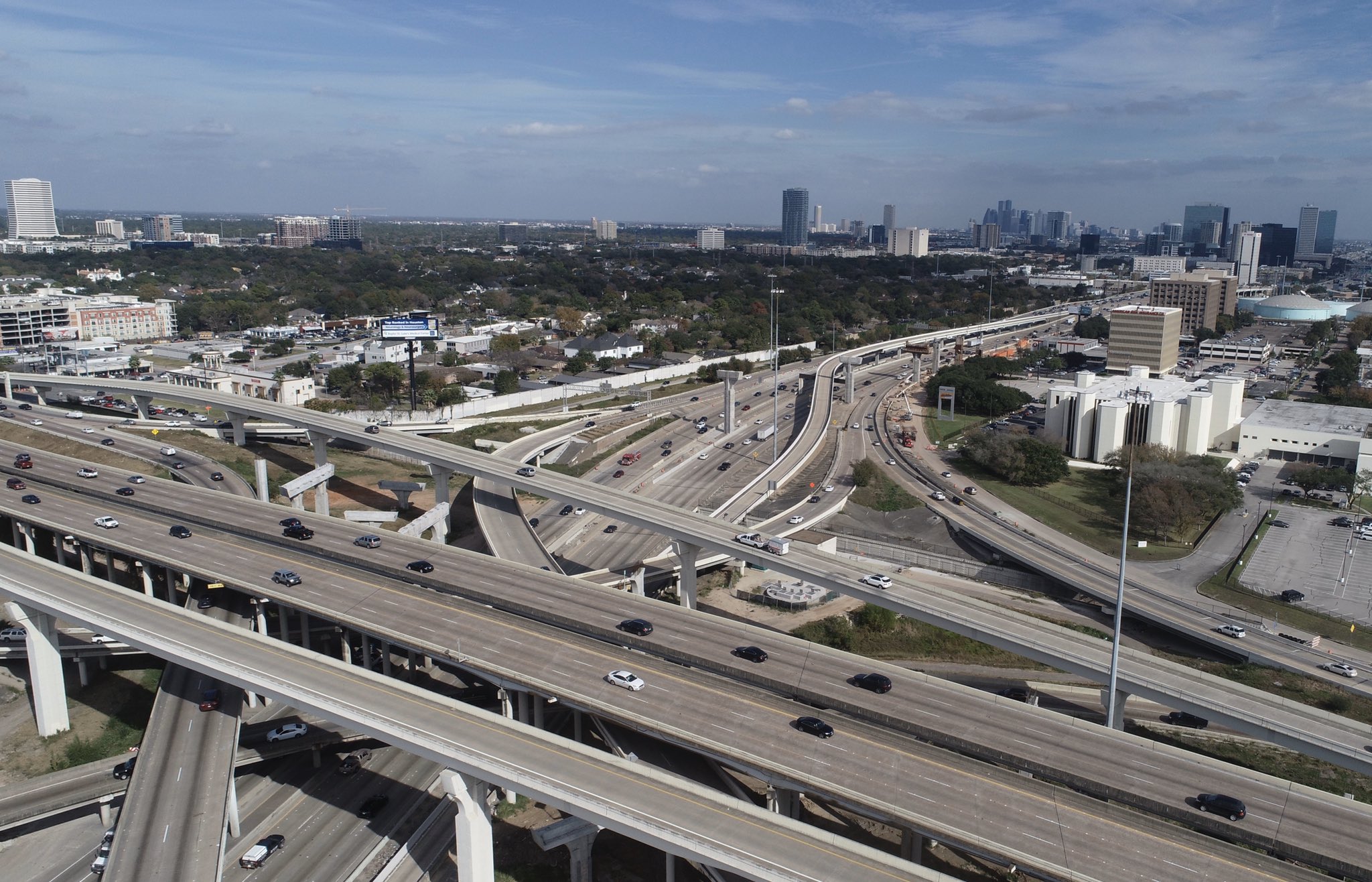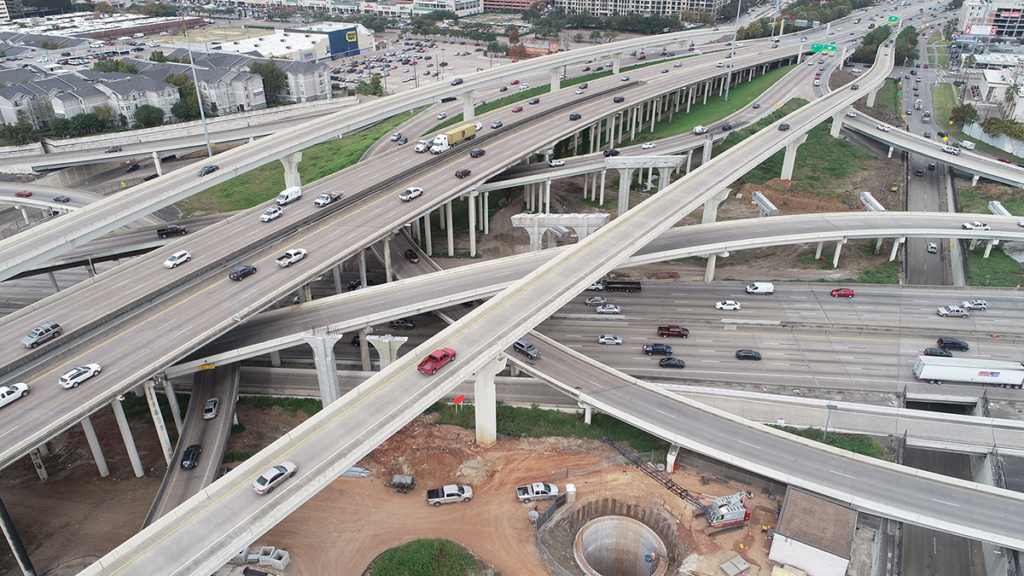
I-610 W Loop/I-69 SW Freeway Interchange
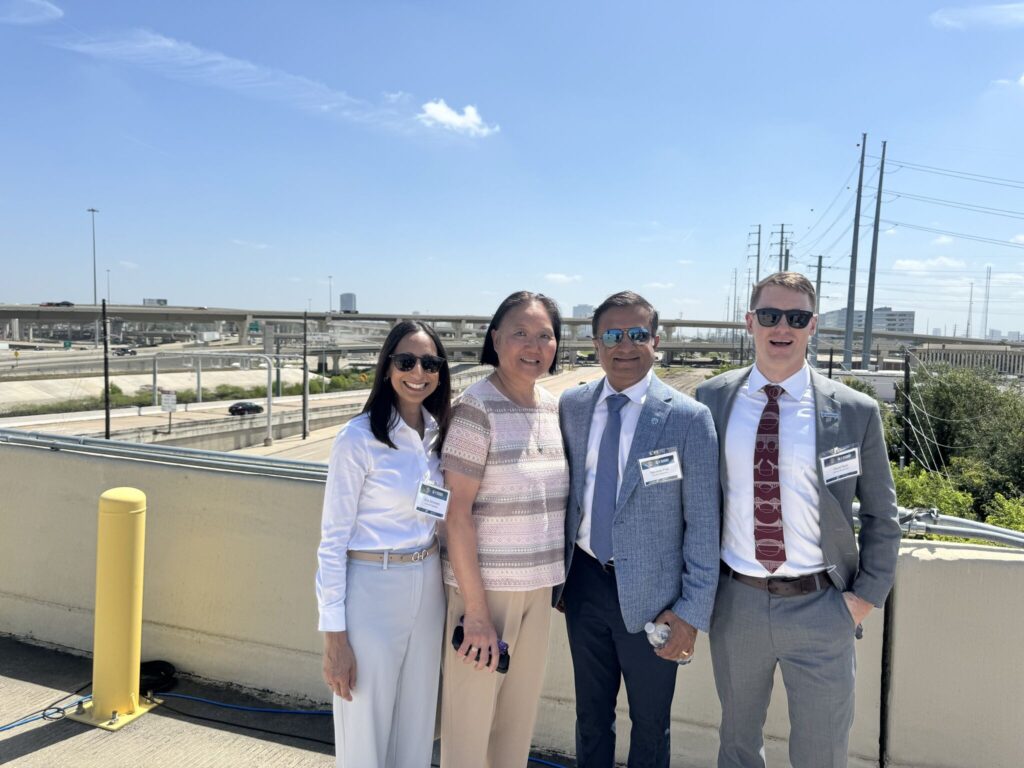
For drivers in Greater Houston, the I-610 W Loop and I-69 SW Freeway interchange had long been a daily pressure point for commuters, freight, and transit riders alike. Consistently ranked among the most congested corridors in Texas, the interchange experienced frequent crashes and chronic flooding that extended into the adjacent Larchmont neighborhood. Addressing these challenges required a coordinated, future-ready transformation of one of the region’s most complex freeway junctions.
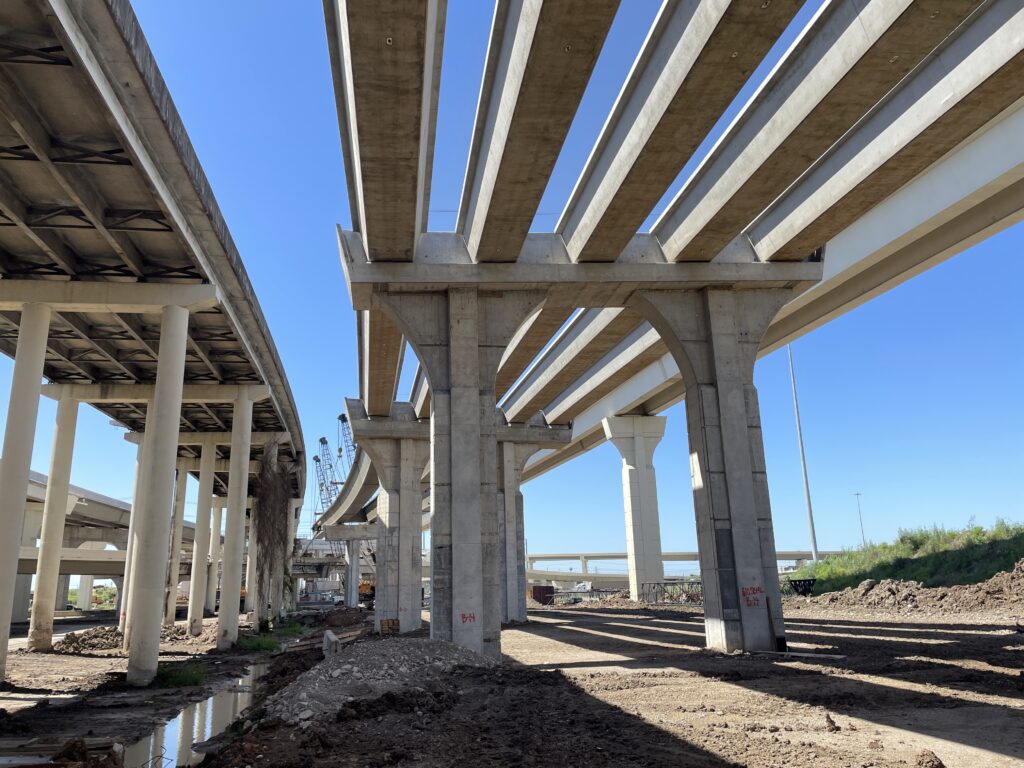
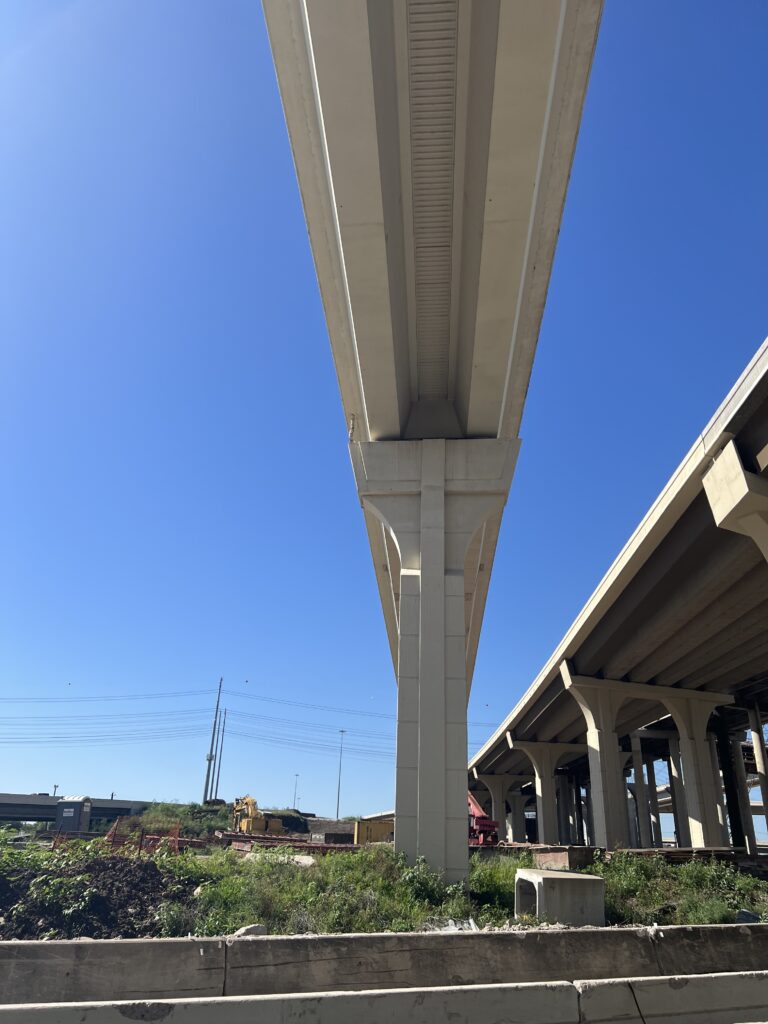
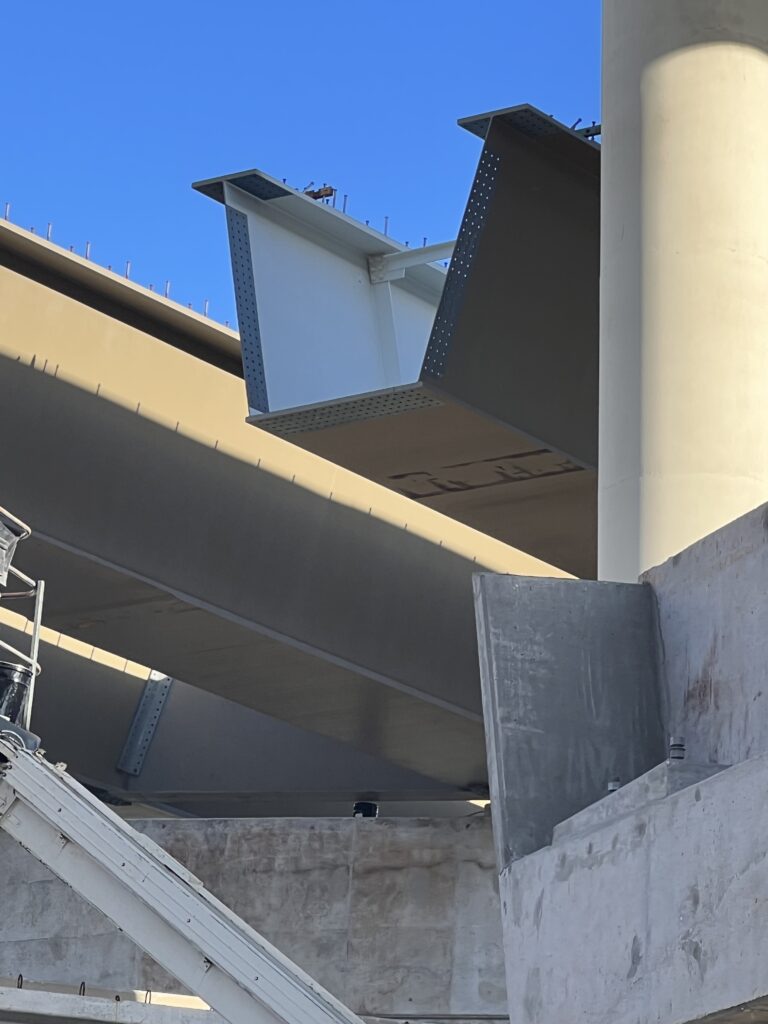
TxDOT advanced a $259M program to modernize the interchange while keeping traffic moving through one of the state’s busiest corridors. The design package included mainline bridges, eight direct connectors, a T-ramp on the HOV, existing HOV access ramp, and METRO bus lane connectors—all in a constrained urban footprint. Working within a compressed nine-month schedule, Consor integrated design elements prepared by Consor, TxDOT, and other consultants into a single, coordinated PS&E package.

Awards
- ACEC 2026 Engineering Excellence Awards: National Recognition Award
- ACEC Texas 2026 Engineering Excellence Awards: Silver Medal
- ASHE Houston 2025 Project of the Year: Category C (Greater than $100,000,000)
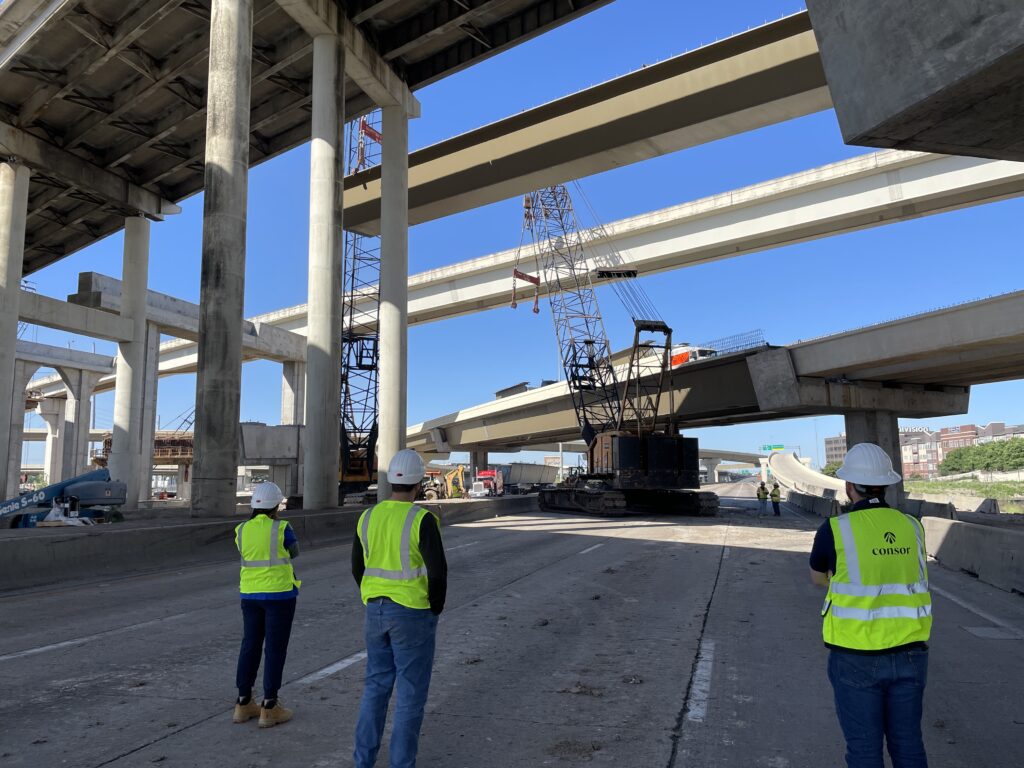
Throughout design and construction, the project team used data-enabled decision-making to balance safety, mobility, public input, and constructability. Three-dimensional modeling informed staging strategies that minimized connector closures and preserved existing lane capacity during each construction phase. Smart work zones deployed intelligent transportation systems (ITS) to provide real-time traffic information to drivers, reducing congestion and improving work zone safety. Substantial hydraulic upgrades, including new detention ponds and upgraded drainage infrastructure, addressed long-standing flood risks.
Completed in 2025 after a seven-phase construction sequence, the rebuilt interchange now supports safer travel, improved reliability, and greater long-term resilience for the region. By integrating complex multi-firm design, digital tools, and performance-driven delivery strategies, the project established a new benchmark for delivering high-impact transportation infrastructure in dense urban environments.